Compare Local Contractors for Interior Lighting Installation Success
Compare local contractors for interior lighting installation to define project scope, verify experience, and set clear expectations in writing for a successful upgrade.
Interior lighting installation services typically cover a range of tasks aimed at enhancing the functionality and aesthetic appeal of indoor spaces. This work often involves planning the placement of fixtures, selecting appropriate lighting types, and ensuring proper wiring and mounting. Contractors may handle the installation of ceiling lights, wall sconces, recessed lighting, task lighting, and accent fixtures, all tailored to meet the specific needs of a property. Proper installation not only improves the overall ambiance but also ensures that lighting controls are integrated seamlessly with existing electrical systems, contributing to a safe and efficient environment.
Clearly defining the scope of interior lighting installation is essential for property owners to ensure the project meets expectations. A well-outlined scope includes details about the types and locations of fixtures, any necessary modifications to existing wiring or electrical panels, and the desired lighting effects. Establishing these parameters in writing helps prevent misunderstandings and provides a basis for evaluating proposals from different service providers. It also allows property owners to identify whether a contractor has relevant experience with the specific types of lighting and installation techniques required for their space.
When comparing local contractors for interior lighting installation, property owners should consider factors such as experience with similar projects, reputation within the community, and the clarity of their proposals. Verifying that contractors understand the scope and can articulate their approach in writing helps ensure alignment on project expectations. It is also useful to review credentials, references, or portfolios of past work to gauge the quality and reliability of service providers. By focusing on these practical aspects, property owners can make informed decisions and select contractors who are well-equipped to handle the job effectively.
Compare local contractors by outlining project priorities, verifying experience, and setting clear expectations in writing.
- Compare Contractor Experience - review the backgrounds of local contractors to ensure relevant interior lighting installation expertise.
- Define Project Scope Clearly - outline specific lighting needs and expectations to facilitate accurate proposals.
- Verify Service Providers’ Capabilities - check references or portfolios to assess the quality of previous interior lighting work.
- Document Agreements in Writing - establish detailed contracts that specify work scope, materials, and responsibilities.

Clearly describe your interior lighting project to compare local contractors, verify their experience, and set expectations in writing.
- Verify the contractor’s experience with interior lighting installation projects similar in scope and style. - Ensure the service provider can clearly define the scope of work and deliverables in writing.
- Compare the approaches and techniques used by different local contractors to ensure they meet your design and functionality needs. - Confirm that the contractor plans to follow relevant electrical codes and safety standards.
- Check that the contractor provides detailed written estimates outlining the scope, materials, and installation methods. - Look for transparency in the scope of work and any included services or exclusions.
- Assess the contractor’s ability to recommend appropriate lighting fixtures and placement to enhance your interior space. - Ensure they can explain their recommendations and how they align with your preferences.
- Confirm that the contractor has a clear process for scheduling, communication, and managing the installation project. - Make sure expectations and responsibilities are outlined in written agreements.
Compare local contractors' experience and clarify project scope to ensure smooth interior lighting installation.
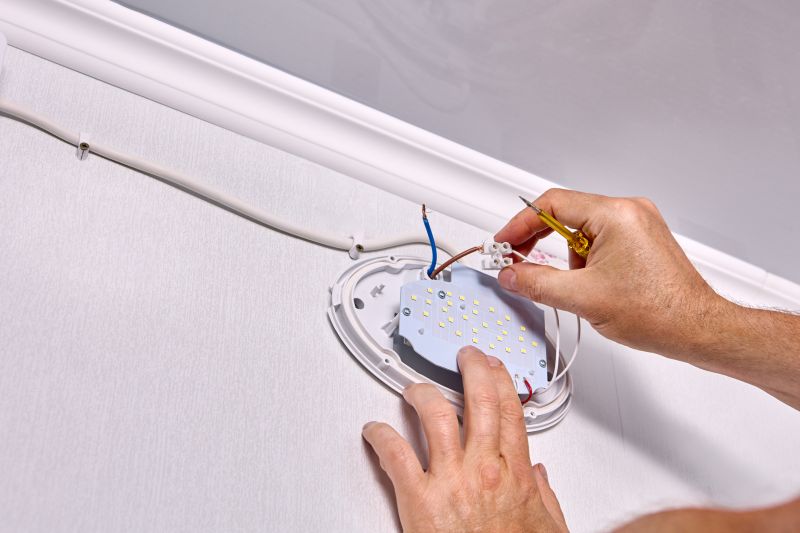
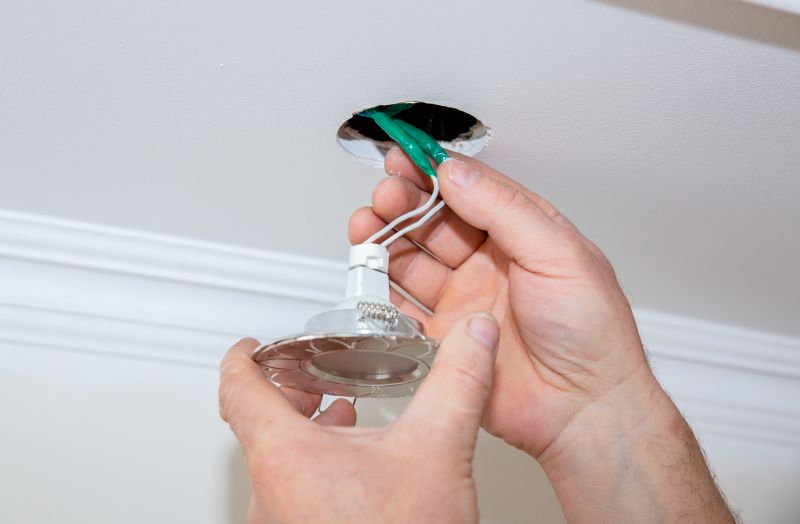


To ensure fair comparisons, establish clear scope, verify experience, and document expectations consistently across local contractors.
- Scope Definition - Clearly outline the specific tasks and areas to be covered during the interior lighting installation.
- Experience Verification - Confirm that local contractors have relevant experience with interior lighting systems similar to the project scope.
- Material Specifications - Specify the types and quality of lighting fixtures, bulbs, and accessories to be installed.
- Installation Standards - Establish the preferred methods and quality expectations for wiring, mounting, and fixture placement.
- Written Agreement - Document all project details, scope, and expectations in a formal agreement before work begins.
When comparing contractors for interior lighting installation, it’s important to assess their experience with similar projects. Homeowners should inquire about the types of spaces they have worked on, such as kitchens, living rooms, or bedrooms, to ensure familiarity with the scope and complexity of the work. Contractors who have a history of completing projects comparable in size and style can often provide insights into potential challenges and solutions, helping to ensure the finished result aligns with expectations.
A clear, written scope of work is essential when evaluating interior lighting contractors. This documentation should outline specific tasks, types of fixtures to be installed, and any design considerations. Having a detailed scope helps prevent misunderstandings and ensures both parties have a shared understanding of what the project entails. Homeowners are encouraged to review and confirm that the scope accurately reflects their needs before proceeding, as this forms the foundation for a successful installation.
Verification basics involve confirming that the contractor has the necessary experience and a track record of quality work. Homeowners should ask for references or examples of previous projects similar to their own. It’s also helpful to verify that the contractor’s work adheres to relevant safety standards and building codes, even if not explicitly discussed in licensing or certification terms. Gathering feedback from past clients can provide additional confidence in the contractor’s ability to deliver reliable results.
When evaluating options, it’s beneficial to consider how each contractor proposes to approach the project, including the methods and materials they plan to use. Homeowners should seek detailed explanations of the installation process and how the contractor plans to coordinate with other trades or contractors involved in the project. Comparing these aspects can help identify professionals who communicate clearly and demonstrate a thorough understanding of interior lighting installation. This approach ensures that expectations are set upfront and that the selected service provider is well-equipped to handle the project efficiently.
Request written scope and expectations to ensure clarity and consistency when comparing interior lighting installation contractors.
- Experience and Past Projects - What types of interior lighting installations have the contractors completed recently?
- Scope of Work - How do contractors define and clarify the specific tasks included in the lighting installation?
- Materials and Equipment - What brands or types of lighting fixtures and components do the service providers typically use?
- Communication and Expectations - How do contractors document and confirm the scope, design choices, and responsibilities in writing?
- Comparison of Services - What differences exist between local contractors regarding their approach to interior lighting installation?
How can I compare interior lighting installation contractors? To compare contractors, review their experience, verify references, and assess the scope of services they offer to ensure they meet project needs.
What should I consider when defining the scope of my lighting installation? Clearly outline the types of fixtures, areas to be lit, and any design preferences to help contractors provide accurate proposals and avoid misunderstandings.
How do I verify a contractor’s experience with interior lighting installations? Ask for examples of past projects, request references, and confirm their familiarity with the specific lighting systems and techniques relevant to your project.
Why is it important to have the project scope in writing? Having the scope documented helps set clear expectations, prevents disputes, and provides a reference for the work agreed upon by the contractor and client.
What questions should I ask potential service providers? Inquire about their experience, the types of lighting systems they install, how they handle project details, and how they communicate progress and changes.
How can I ensure the contractor understands my lighting preferences? Share detailed descriptions, images, or sketches of your desired lighting design, and confirm that these preferences are included in the written scope of work.
By exploring options for interior lighting installation, visitors can gain a clearer understanding of how to define the scope of their project, verify the experience of local contractors, and set clear expectations in writing. This approach helps ensure that the process of selecting a service provider is informed and straightforward. Utilizing the quote form allows for easy comparison among nearby service providers, making it simpler to find the right match for specific project needs.
Taking advantage of the quote form offers an efficient way to connect with local contractors capable of handling interior lighting installation. It provides an opportunity to compare different service providers, review their offerings, and gather the information needed to make an informed decision. This step supports a transparent process for finding experienced contractors who can meet the requirements of any interior lighting project.